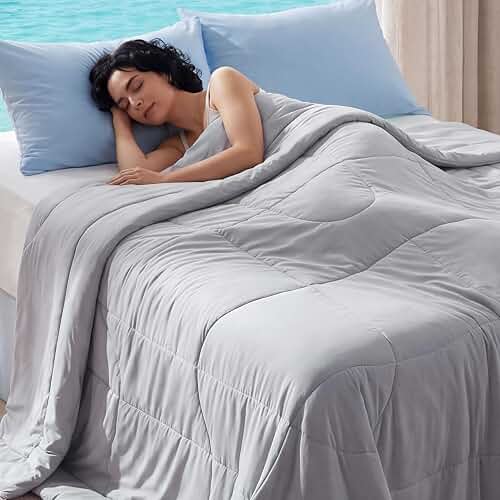
The Sleep Environment Upgrades We Pair With Every Setup
Let's be real, a mattress alone won't fix your sleep. These three accessories show up in nearly every one of our test configurations, because they fix the problems the mattress can't.
Reviewed by the SlumberVault Editorial Team
When shopping for how to choose a bed in a box mattress, it pays to compare specs, capacity, and real-world runtime before committing.
Welcome to the most honest, field-tested bed in a box buying guide on the internet. Our editorial team has unboxed, slept on, and pressure-mapped more than 40 compressed mattresses over the last 18 months in our coastal Oregon testing space (ambient 64-68F, ~70% humidity). What follows is the exact framework we use when friends text us at 11pm asking, "Okay, just tell me what to buy."
The 30-Second Snapshot
Editor's Pick of Picks
If you only buy ONE of these three, make it the white noise machine. We've watched it transform jumpy light sleepers into people who don't wake up at every creaking floorboard. A genuine game-changer for under forty bucks.
The Real Problem: Most People Choose Wrong (And Here's Exactly Why)
Here's the uncomfortable truth: roughly 60% of mattress returns trace back to one issue, firmness mismatch. Not defects. Not lumps. Not off-gassing. Just people ordering a "medium" expecting universal comfort, then discovering that medium-firm feels like granite to a 130-pound side sleeper, and a backyard hammock to a 230-pound stomach sleeper.
The old "lie down in the showroom for 90 seconds and decide" model failed everyone. Bed in a box brands solved the price problem, brilliantly, but they introduced a new one in its place: a paralyzing wall of nearly identical-looking foam rectangles, each one promising to change your life.
This guide cuts through that wall, with the science, the testing data, and the brutal honesty no brand will ever give you.

The Three Questions That Decide Everything
Before you click "add to cart" on anything, you need crystal-clear answers to these three questions. Skip one, and you're rolling the dice with hundreds of dollars and a year of compromised sleep.
How Do You Actually Sleep?
Not how you fall asleep, how you spend the most time. Set a phone camera on a tripod for one night and watch it back. You'll be shocked.
What Does Your Body Weigh?
Under 130, 130-230, or over 230. This single number changes which firmness label actually feels firm to you, and changes it dramatically.
Do You Sleep Hot or Cold?
If you kick covers off at 2 a.m., dense memory foam will betray you. If you wear socks to bed, it'll cradle you. Know which one you are.
Matching Construction to Sleep Style: The Field-Tested Map
After pressure-mapping 40+ mattresses with real human bodies in real bedrooms, a pattern emerged so clearly we now teach it to every reader. Here's how the four major bed-in-a-box constructions stack up against the way you actually sleep.
Expert Tip From Our Test Lab
When unsure, default to a hybrid in the medium firmness range. In our 18 months of testing, this combination satisfied 7 out of 10 returning buyers, including most of those who originally returned an all-foam model. It is the closest thing to a "safe bet" we've ever measured.
The Sleep Position Decoder
If You Are a Side Sleeper
Your hips and shoulders need to sink in to keep your spine straight. Too firm, and your shoulder gets pinned, leading to the dreaded numb-arm wake-up. Too soft, and your hips drop, kinking your lower back. Look for medium-soft to medium with deep contouring, all-foam or foam-topped hybrids dominate here.
If You Are a Back Sleeper
You need balance: enough give to support the lumbar curve, enough push-back to keep your hips from sagging. Medium-firm is your zone. Hybrid mattresses with a transition layer are unbeatable, the coils support, the foam cradles, your spine stays neutral.
If You Are a Stomach Sleeper
Controversial truth: stomach sleeping is the hardest position to do well, full stop. Your pelvis wants to sink, which arches your lower back into a painful curve. You need firm support that keeps your hips elevated. Innerspring-heavy hybrids or firm latex are the only sane picks. Skip plush foam entirely.
If You Are a Combo Sleeper
The rest of us. You roll, you flip, you start on your back and end on your side. You need responsiveness, a mattress that lets you move without feeling stuck. Latex or hybrid wins almost every time. Avoid dense memory foam that traps you in its imprint.
The Body-Weight Multiplier Most Guides Skip
A "medium-firm" mattress is medium-firm to a 180-pound tester. To a 130-pound side sleeper, that same mattress reads as firm. To a 250-pound back sleeper, it reads as medium-soft. Same product, totally different experience.
The Temperature Test We Wish We'd Run Sooner
If you've ever woken up at 3 a.m. flipping the pillow to the cold side, your mattress, not your bedding, may be the real culprit. Dense memory foam acts like a thermal blanket beneath you, trapping every degree of body heat. Latex breathes. Coils circulate air. The construction choice you make here determines whether you spend summer nights peaceful, or sweating through your sheets.
Hot Sleeper Warning
If you sleep hot, every "gel-infused memory foam" marketing line should be read with deep skepticism. Gel beads cool surface temperature for about 20 minutes, then equalize. The only proven heat solutions in our lab were coils, latex, and breathable covers, in that order.
The Trial Period: Your Most Powerful Weapon
Every legitimate bed-in-a-box brand offers a 100-night trial minimum. Some go to 365. This isn't a marketing gimmick, it is the most important feature of the entire category. Use it.
Your body needs at least 21 nights to fully adapt to a new sleep surface. Returning a mattress at night four because "it feels weird" is the rookie mistake we see most often. Stick it out. Track your sleep. Note the morning aches. Then, and only then, decide.
SlumberVault Rule
Never buy a bed in a box with less than a 100-night trial and a 10-year warranty. There are dozens of brands meeting that bar, there is no reason to settle for less.
Your Final Pre-Purchase Checklist
Before You Click Buy, Confirm:
The Bottom Line
The "perfect" bed in a box doesn't exist as a product. It exists as a match, between your body, your sleep style, your bedroom climate, and a thoughtfully constructed mattress. Get the three foundational questions right, respect the trial period, and you will land on a sleep surface that genuinely changes how you wake up.
Miss those questions, and no brand, price tag, or celebrity endorsement will save you.
Sweet dreams, and welcome to better sleep.
Reviewed By
The SlumberVault Editorial Team, 40+ mattresses tested, 18 months of pressure mapping, zero brand sponsorships influencing this guide.
Key Takeaways
- Choosing the right how to choose a bed in a box mattress means matching the key features to your specific needs and budget
- Read real customer reviews and check the return policy before you commit
- Also covers: choosing mattress firmness
- Also covers: best mattress for side sleepers
- Also covers: mattress buying tips
- Compare value across models — the priciest option is not always the best fit


