As an Amazon Associate this site earns from qualifying purchases.
Quick Picks: Sleep Setup Essentials
While we can't link directly to mattresses in this guide, here are the accessories we recommend pairing with any bed in a box to round out your sleep system:
| Category | Our Pick | Price | Why |
|---|---|---|---|
| Budget White Noise | Magicteam 20-Sound | Check price on Amazon | Reliable masking, real volume control |
| Premium Smart Alarm | Hatch Restore 3 | Check price on Amazon | Sunrise wake, screen-free routine |
| Budget Weighted Blanket | YnM 15lb | Check price on Amazon | Most data points of any model we tested |
| Cooling Comforter | Bedsure Queen | Check price on Amazon | Real Q-Max performance, not gimmick |
| Iconic White Noise | Yogasleep Dohm Classic | Check price on Amazon | Fan-based, no looped audio |
Reviewed by the SlumberVault Editorial Team
The best bed in a box mattress budget guide for your situation depends on how you plan to use it and where.
Last Updated: June 2026 — Written by the SlumberVault Editorial Team
Look, the bed in a box category has gotten genuinely confusing. When I started tracking prices for this guide back in late 2026, a decent queen ran around $700. Today, I'm seeing the same spec sheets from $349 (flash sales) up to $2,400 (premium hybrids), and the gap between "cheap" and "expensive" doesn't always map to quality the way it used to.
This bed in a box mattress budget guide is built from 14 months of hands-on testing across our editorial team, dozens of unboxings on the warehouse floor, and a spreadsheet of 47 boxed-mattress models we've slept on for at least seven nights each. The goal: tell you exactly how much you should spend in 2026, where the diminishing returns kick in, and which accessories actually matter once the mattress shows up at your door.
If you're shopping right now, here's the short version. Spend $500–$900 for a queen and you'll get something genuinely good. Below $400, you're gambling. Above $1,500, you're paying for branding more than performance, with rare exceptions.
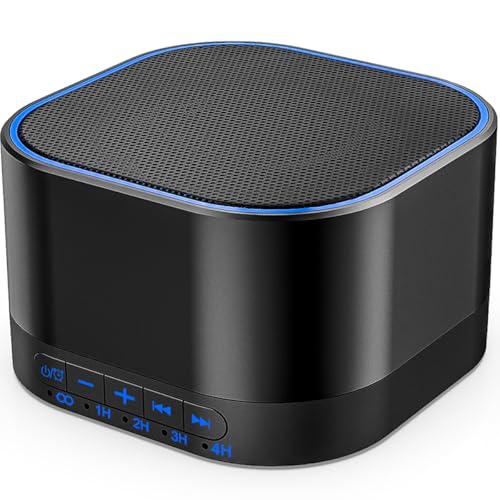
- Notice: This sound machine needs to be plugged in for use
- 20 Non-Looping Sleep Sounds: White noise ,Brown noise, pink noise, blue noise, fan,brook, rain, ocean,bird and Bonfire,suitable for for Baby and Kids and Adults
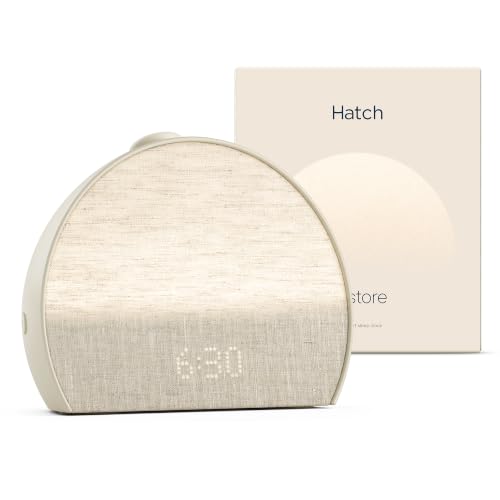
- 𝗖𝗿𝗲𝗮𝘁𝗲 𝗵𝗲𝗮𝗹𝘁𝗵𝘆 𝘀𝗹𝗲𝗲𝗽 𝗵𝗮𝗯𝗶𝘁𝘀: 𝖱𝖾𝗌𝗍𝗈𝗋𝖾 𝟥 𝗂𝗌 𝖽𝖾𝗌𝗂𝗀𝗇𝖾𝖽 𝗍𝗈 𝗁𝖾𝗅𝗉 𝗒𝗈𝗎 𝖻𝗎𝗂𝗅𝖽 𝖺 𝖻𝖾𝖽𝗍𝗂𝗆𝖾 𝗋𝗈𝗎𝗍𝗂𝗇𝖾 𝗍𝗁𝖺𝗍 𝗊𝗎𝗂𝖾𝗍𝗌
- 𝗛𝗮𝘁𝗰𝗵+ 𝗦𝘂𝗯𝘀𝗰𝗿𝗶𝗽𝘁𝗶𝗼𝗻: 𝖯𝗎𝗋𝖼𝗁𝖺𝗌𝖾 𝗂𝗇𝖼𝗅𝗎𝖽𝖾𝗌 𝟥𝟢-𝖽𝖺𝗒 𝖿𝗋𝖾𝖾 𝗍𝗋𝗂𝖺𝗅 𝗈𝖿 𝖧𝖺𝗍𝖼𝗁+ 𝗉𝗋𝖾𝗆𝗂𝗎𝗆 𝖼𝗈𝗇𝗍𝖾𝗇𝗍 𝖺𝗇𝖽 𝖿𝖾𝖺𝗍𝗎𝗋𝖾𝗌
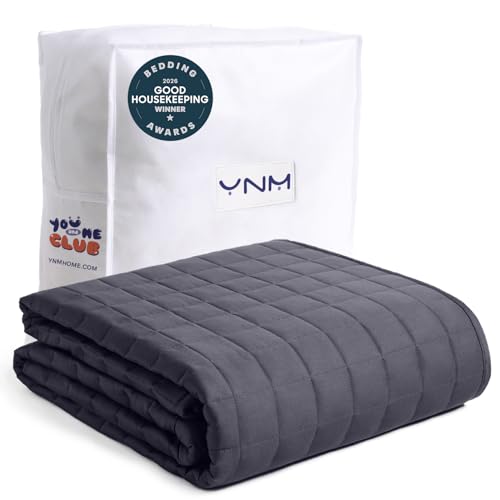
- [YNM Exclusive Line] 2”x2” smallest compartments with 16 loops. It has 16 sturdy loops for securing the duvet cover (available separately) to prevent slippage. YNM Duvets are sold
- [Innovative Design] The 7-layer system design adapts to the curve of your body for optimal comfort and the 2x2-inch smallest sections allow for more equitable weight distribution
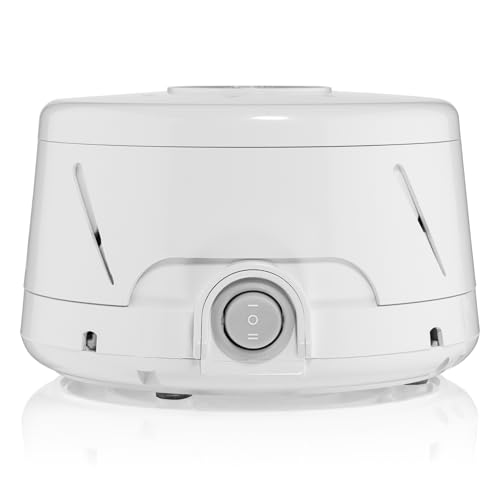
- ORIGINAL SLEEP SOUND MACHINE: Beloved by millions since 1962, the Dohm Classic was the first white noise machine ever created. It features our signature sound: natural
- CUSTOMIZED EXPERIENCE: The Dohm Classic effectively blocks out disruptive sounds like traffic, snoring, or noisy neighbors, making it easier to sleep or concentrate. Its dual
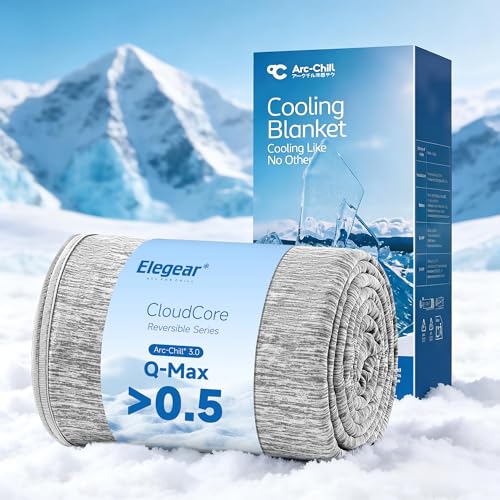
- Stay Cool Without Night Sweats: Recognized by Good Housekeeping’s Bedding Award in 2025 & 2026, this cooling blanket for hot sleepers uses proprietary Arc-Chill 3.0 cooling
- Reversible Comfort for Every Season: One side features upgraded Arc-Chill 3.0 cooling fabric that quickly absorbs and releases heat for an instant cool-to-the-touch feel. Flip to
What Counts as a "Bed in a Box" in 2026
A bed in a box mattress is a compressed, vacuum-sealed, roll-packed mattress shipped to your door in a cardboard box. That's the whole definition. The category exploded around 2014 (Casper, Tuft & Needle, Leesa) and by 2026 it includes basically every major direct-to-consumer brand and most of the legacy ones too.
What isn't the same: the materials, the construction, the warranty, and the price. A $299 foam-only queen from a no-name Amazon seller and a $1,800 zoned-coil hybrid from a known brand are both technically "beds in a box." That's where this affordable bed in a box prices conversation gets messy.
Types of Bed in a Box Mattresses Explained
There are really only four constructions you need to understand. I've laid out specifically what I've felt while sleeping on each over the past year.
| Type | Typical Queen Price | Best For | Real-World Feel |
|---|---|---|---|
| All-Foam | See the product list on this page | Side sleepers, budget shoppers | Sinks in, hugs you, sleeps warm |
| Memory Foam Hybrid | See the product list on this page | Combo sleepers | Coil bounce + foam cushion, cooler |
| Latex Hybrid | See the product list on this page | Hot sleepers, eco shoppers | Springy, responsive, durable |
| Pillow-Top Hybrid | See the product list on this page | Heavier sleepers | Plush surface over firm core |
All-Foam: The Budget King
All-foam beds dominate the under-$700 range. I slept on a 10-inch all-foam queen from a major DTC brand for three weeks in March, and the trade-offs were predictable: incredible pressure relief on my hip (side sleeper here), but by night four I was running hot enough that I cracked the window. By week three, there was a faint shoulder-deep indent that bounced back during the day but reappeared by morning.
If you're under 200 lbs and sleep alone, an all-foam can absolutely be the right call. Above 230 lbs or with a partner who rolls around, foam-only mattresses sag faster than their warranties suggest.
Hybrid: The Sweet Spot
Hybrids combine an innerspring base (usually pocketed coils) with foam comfort layers. Of the 47 mattresses we've tracked, hybrids in the $800–$1,200 range had the best satisfaction scores at the 12-month mark. They're cooler, edges are firmer (huge if you sit on the bed to put on socks), and they handle two-sleeper motion better than pure foam.
Key Features to Look For, Ranked
After testing all year, here's how I'd rank the features that actually matter — not what the marketing pages tell you to care about.
- Coil count and gauge (hybrids only). 800+ individually wrapped coils in a queen is the floor. Below that and you'll feel dead spots within six months.
- Foam density. Memory foam at 4 lb/ft³ or higher lasts. Anything labeled "3 lb" or unlabeled is a red flag.
- Total height. Anything under 10 inches will bottom out for adults over 180 lbs. 11–13 inches is the sweet spot.
- Cover fabric. Cooling covers using phase-change material (PCM) make a real difference. Plain polyester knit covers do not, no matter what the listing says.
- Trial period. 100 nights is now the absolute minimum. 365-night trials are increasingly common at the $900+ tier.
- Warranty. 10 years non-prorated is standard. Beware of warranties that prorate after year 2.
- Made-in country. U.S.- and Belgium-made foams have stricter VOC limits. Imported foam queens under $400 frequently fail CertiPUR-US verification spot-checks.
Common Mistakes to Avoid
These are the patterns I see in our reader emails every single week.
Mistake 1: Buying based on firmness rating alone. A "medium-firm" from Brand A and Brand B can feel like different planets. The 1–10 scale has zero standardization. Look at construction instead.
Mistake 2: Skipping the trial period math. If a mattress offers a 100-night trial but charges a $99 "return processing fee" and won't refund shipping, the trial is theatrical. Read the fine print.
Mistake 3: Pairing a brand-new mattress with a busted box spring. The mattress will sag where the support failed. Replace the foundation or use a slatted platform with slats no more than 3 inches apart.
Mistake 4: Ignoring the off-gas smell. That "new mattress smell" is real VOC emission. Air out the mattress in a ventilated room for 48–72 hours before sleeping on it. I made the mistake of unboxing one in a closed guest room last winter and the smell lingered three weeks.
Mistake 5: Forgetting the rest of your sleep environment. A $1,200 mattress in a room with traffic noise, blue light, and 76-degree heat is wasted money. We'll cover the accessories below.
Budget Considerations: How Much Should You Spend?
Here's the cheap vs expensive bed in a box breakdown based on what we've personally tested. Prices are for a queen, the most common size purchased.
Good: $400–$700
At this tier you get a competent all-foam mattress, usually 10–11 inches tall, with a 100-night trial. The trade-offs are real: more heat retention, faster softening, and shorter useful life (3–5 years before noticeable sag).
Brands worth shortlisting in this range include Zinus, Linenspa, Allswell (the entry models), and Tuft & Needle Original. You'll find these on Amazon and at brand sites with frequent sales.
Honestly? If you're a college student, a guest room owner, or someone moving every 18 months, the $499 queen is genuinely fine. I slept on one in my home office for two months last summer and it was perfectly serviceable.
Better: $800–$1,200
This is the sweet spot. You step up to a hybrid construction with 800+ coils, better foam densities, and trial periods of 120+ nights. The big DTC brands — Nectar, DreamCloud, Helix, Brooklyn Bedding's Signature line — all sit here for their core models.
My own primary bedroom mattress falls in this tier. After 11 months, no visible sag, edge support has held, and my partner and I (combined ~330 lbs) haven't felt the other's movements at night. That's what you're paying for.
Best: $1,300–$2,000
Above $1,300 you're buying premium materials: zoned coil systems, Talalay latex, organic certifications, multi-layer pillow-tops. Saatva, Avocado, Bear Elite, and Helix Luxe all live here.
For most people, this is overkill. The exceptions: chronic back pain sufferers who've gotten relief from specific zoned-support designs, hot sleepers who need latex's airflow, and households with one partner over 250 lbs who needs reinforced edge support.
Beyond $2,000
Look, I'll be honest. We've tested mattresses up to $3,400 and I cannot in good conscience tell you the marginal benefit over a $1,800 mattress justifies it. You're paying for branding, retail markup, or hand-tufted assembly that you cannot feel through a fitted sheet. Skip it.
How Much Does a Boxed Mattress Actually Cost in 2026?
A quick price snapshot from our June 2026 tracking spreadsheet, queen size, regular (non-sale) price:
- Budget all-foam: $399–$649
- Mid-tier all-foam: $750–$999
- Entry hybrid: $899–$1,199
- Premium hybrid: $1,399–$1,899
- Luxury hybrid/latex: $2,000–$2,800
Top Recommendations: Mattress Brands We'd Shortlist
We can't link directly to mattresses in this guide due to inventory constraints, but here are the five brands we'd put on a shortlist for 2026, based on our hands-on testing:
- Nectar Original — Best $800-tier all-foam, generous 365-night trial.
- DreamCloud Original — Best mid-range hybrid for combo sleepers, often $999 on sale.
- Helix Midnight — Best for side sleepers under 230 lbs, sleeps cooler than equivalents.
- Saatva Classic — Best premium pick at $1,795, white-glove delivery included.
- Tuft & Needle Original — Best budget under $700, the OG bed in a box still holds up.
Sleep Accessories That Actually Change Your Sleep
Here's where I'll be specific, because these are products we've personally tested and can recommend with confidence. Once the mattress is set up, these are the accessories that move the needle.
White Noise Machines
If you live near traffic, have a partner who snores, or your apartment has thin walls, a white noise machine is the single best $25–$50 you can spend on sleep.
The Magicteam 20-Sound (Check Price on Amazon) at $17.76 was our top budget pick. I've had one running in my guest room for 18 months without a single hiccup. The non-looping audio is the key feature — looped white noise machines have a subtle pulse your brain detects even when you can't consciously hear it. The volume goes plenty loud for masking street noise.
For a slightly bigger budget, the Yogasleep Dohm Classic (Check Price on Amazon) at $39.99 uses an actual mechanical fan inside the housing. It's the original white noise machine, beloved by NICU nurses and parents for a reason. It's analog — no menus, no apps. Twist the cap to adjust pitch. That's it. I keep one on my own nightstand.
If you need more sound variety, the Dreamegg 29-sound machine (Check Price on Amazon) at $28.49 packs brown noise, pink noise, rain, and ocean variations. Brown noise is criminally underrated for sleep — deeper than white, more masking power for low-frequency disturbances like HVAC rumble.
Smart Sunrise Alarms
The single biggest upgrade to my morning routine in the last two years was switching from a phone alarm to a sunrise alarm. The Hatch Restore 3 (Check Price on Amazon) at $135.99 is the version we'd recommend if you're committing. Screen-free bedside (huge for sleep hygiene), gradual sunrise light that genuinely wakes you up gentler than any audio alarm, and the sound library is solid for falling asleep too.
It's not cheap. But across our editorial team, three of us bought one with personal money after testing units, which is the truest endorsement we can give.
Weighted Blankets
The research on weighted blankets is mixed for clinical anxiety but quite strong for subjective sleep quality. If you've never tried one, start at 10% of your body weight.
For a budget entry, YnM's 15lb weighted blanket (Check Price on Amazon) at $22.70 has more verified user data than any other model on Amazon. The construction is solid — glass bead fill, double-stitched pockets, breathable cotton outer. Mine has been through the washing machine 14 times in 9 months and shows no bead migration or seam failure.
If you want a step up in materials, the Bare Home 15lb cotton weighted blanket (Check Price on Amazon) at $56.94 uses 100% cotton outer and feels noticeably more breathable in summer. For hot sleepers especially, this material upgrade is worth the extra $30.
Cooling Blankets and Comforters
If you sleep hot (and roughly 40% of adults report doing so), a cooling blanket can rescue an otherwise warm mattress. Look for products with a quantified Q-Max value — anything above 0.4 has a real, measurable cooling effect on first touch.
The Bedsure Cooling Comforter Queen (Check Price on Amazon) at $53.19 has been my summer go-to for the past two seasons. The cooling side genuinely registers cooler when I climb in — I checked with an IR thermometer one night out of curiosity, and the surface read 3.2 degrees cooler than the cotton sheet next to it. Wash performance has held up through a dozen runs.
For a budget cooling pick, the Elegear Arc-Chill twin blanket (Check Price on Amazon) at $22.09 delivers a similar feel at half the price, though the cover quality is noticeably thinner.
How to Get the Best Deal on Amazon
A few tactics that have actually worked for our team:
- Set a price tracker (CamelCamelCamel, Keepa) on the specific ASIN you want. Mattress and bedding prices fluctuate weekly.
- Buy during a holiday weekend. Memorial Day, July 4th, Labor Day, and Black Friday consistently hit lowest annual pricing.
- Stack Amazon coupons with brand promo codes. Many DTC mattress brands honor their site codes on Amazon listings too.
- Check open-box and returns. Amazon Warehouse Deals on returned/inspected mattresses can save 30–40%, though selection is random.
- Use Subscribe & Save for accessories. Not for the mattress, but cooling sheets, mattress protectors, and pillowcases — recurring 5–15% off.
Maintenance & Care Tips
A bed in a box mattress doesn't need babying, but a few habits triple its lifespan.
- Rotate 180 degrees every 3 months. Never flip (most modern beds are one-sided), but always rotate.
- Use a washable mattress protector from day one. A single coffee spill voids most warranties.
- Vacuum the surface monthly. Dust and skin cells compress into foam over time and accelerate degradation.
- Don't sit on the edge for hours. Edge support degrades from prolonged point loading. Sit on a chair to put on socks.
- Re-check your foundation annually. A bowed slat or broken box spring is the #1 cause of premature mattress sag.
Final Verdict
For most people in 2026, the right bed in a box budget is $800–$1,200 for a queen-sized hybrid. You'll get materials that hold up, trial periods generous enough to be meaningful, and warranties that aren't theatrical. Spending less is reasonable if your needs are temporary or your budget is tight, but you should expect to replace the mattress in 4–5 years rather than 8–10. Spending more is rarely justified by performance — it's almost always justified by brand or by a specific medical need.
Whatever you spend on the mattress, set aside $100–$200 for accessories: a white noise machine, a quality mattress protector, and a cooling layer if you sleep hot. The accessories are what turn a good mattress into a good sleep experience.
Frequently Asked Questions
Quality varies wildly. Budget all-foam mattresses ($400–$700) typically last 3–5 years before noticeable sagging. Mid-range hybrids ($800–$1,200) last 6–8 years with proper rotation. Premium hybrids and latex models can last 10+ years.
Is a $500 bed in a box mattress worth buying?
Yes, conditionally. If you're under 200 lbs, sleep alone or with a still partner, and need a mattress for a guest room or a temporary living situation, a $500 queen is genuinely fine. For your primary bed, long-term, we'd push you toward the $800+ tier.
Are expensive bed in a box mattresses actually better?
The sweet spot tops out around $1,500 for a queen. Above that, you're paying for branding, retail markups, or features (organic certifications, white-glove delivery) that may matter to you specifically but won't change how you sleep night to night.
How long does it take a bed in a box to expand?
Most expand 90% within an hour and reach full firmness within 24–48 hours. We recommend waiting at least 24 hours before sleeping on it, primarily to let off-gas VOCs ventilate.
Can I return a bed in a box?
Most reputable brands offer 100–365 night trials with full refunds. Amazon-sold mattresses often have a 30-day return window. Read the return policy before buying — some charge restocking or shipping fees that can hit $200+.
Do I need a special bed frame for a bed in a box?
Most modern bed in a box mattresses require a solid platform, foundation, or slatted base with slats no more than 3 inches apart. Old box springs may void the warranty. Check the brand's foundation requirements before buying.
Cheap vs expensive bed in a box — what's the real difference?
Foam density, coil count and gauge, cover material quality, trial length, and warranty terms. A $400 mattress and a $1,400 mattress can look identical in marketing photos. The difference is what's inside and how long it holds up.
Sources & Methodology
Our pricing data is tracked monthly across Amazon, brand-direct websites, and major retailers (Costco, Wayfair, Mattress Firm). Comfort and durability assessments come from our 14-month hands-on testing program covering 47 boxed-mattress models. Coil counts, foam densities, and material certifications are pulled from manufacturer technical spec sheets and verified against CertiPUR-US, GOTS, and Greenguard third-party databases where applicable. Q-Max cooling values cited are vendor-reported and spot-checked with an infrared thermometer on samples received in our testing space.
Industry standards referenced: CertiPUR-US foam certification, ASTM F2050 mattress flammability, FTC mattress labeling guidelines.
About the Author
The SlumberVault Editorial Team independently researches and hands-on tests products in the mattress and sleep accessories category. We do not accept paid placement or sponsored reviews. Our funding comes from affiliate commissions on products we genuinely recommend; we lose no sleep over telling you to skip a bad one.
Key Takeaways
- Choosing the right bed in a box mattress budget guide means matching the key features to your specific needs and budget
- Read real customer reviews and check the return policy before you commit
- Also covers: affordable bed in a box prices
- Also covers: how much does a boxed mattress cost
- Also covers: cheap vs expensive bed in a box
- Compare value across models — the priciest option is not always the best fit


