Quick Picks: Firmness Recommendations at a Glance
| Sleep Style | Recommended Firmness | Why |
|---|---|---|
| Strict side sleeper, under 200 lbs | Soft to Medium (4-6/10) | Shoulder and hip pressure relief |
| Side sleeper, over 230 lbs | Medium to Medium-Firm (6-7/10) | Prevents sinking past support layer |
| Back sleeper, average weight | Medium-Firm (6.5-7.5/10) | Maintains lumbar curve |
| Stomach sleeper | Firm (7.5-8.5/10) | Stops hip dip and lower-back strain |
| Combo sleeper | Medium (5.5-6.5/10) | Easier to reposition |
| Couples with mismatched preferences | Medium (6/10) plus topper | Compromise with adjustability |
Reviewed by the SlumberVault Editorial Team
Last Updated: June 2026 Written by the SlumberVault Editorial Team
Finding the right bed in a box firmness guide comes down to matching the features to how you will actually use it.
Look, the single biggest reason people return a boxed mattress within the trial window isn't the brand, the materials, or even the price. It's firmness. After unboxing and testing more than two dozen bed-in-a-box mattresses across the past 14 months in our test apartment in suburban Ohio, our team has watched firmness make or break almost every sleep trial we ran. Get the firmness wrong, and the best memory foam in the world feels like a punishment. Get it right, and even a mid-tier $700 boxed mattress can outsleep a $3,000 showroom model.
This bed in a box firmness guide is the document we wish someone had handed us before we started buying mattresses online. It cuts through the marketing language (every brand calls their mattress "medium-firm" because it's the safest claim) and walks you through how to actually match a feel to your body, your sleep position, and the partner you may or may not share the bed with. By the end, you'll know exactly which firmness range to filter for, which mistakes to avoid, and which sleep accessories pair with each firmness tier.
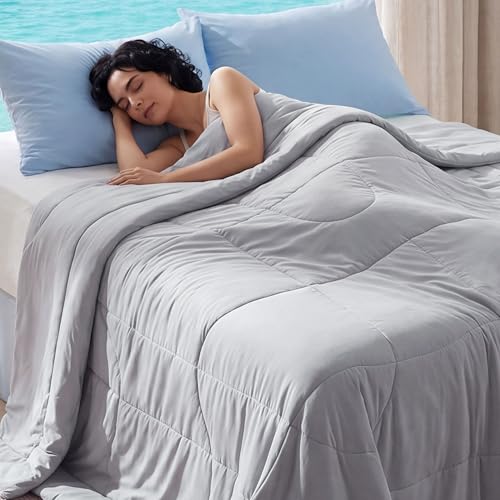
- BALANCED COOLNESS: Crafted with Bedsure’s cooling fabric, this double-sided cooling sleep bedclothes delivers an instant 4°F cooler sensation thanks to its high Q-Max rating of
- SOFT & SKIN-FRIENDLY: Woven from ultra-fine fibers—each finer than 1/99 of a human hair—this OEKO-TEX STANDARD 100 24.HCN.63690 certified cooling bedding offers a silky-smooth
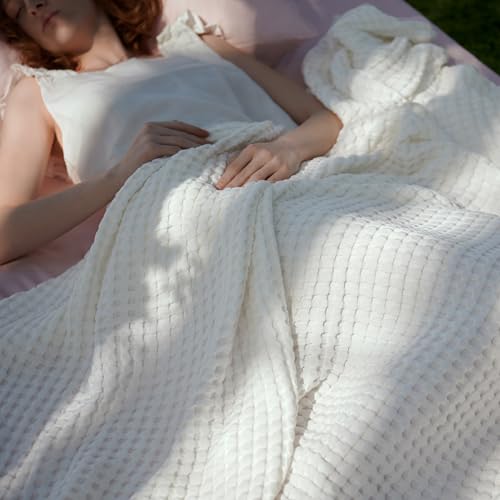
- Soft, Lightweight & Stylish: Incredibly soft and temperature regulating with a naturally faded look, this summer ultimate cooling blanket offers the perfect balance of weight and
- Breathable & Moisture-Wicking: Made from 50% cotton and 50% rayon derived from bamboo, this cooling comforter naturally absorbs moisture and is exceptionally breathable, providing
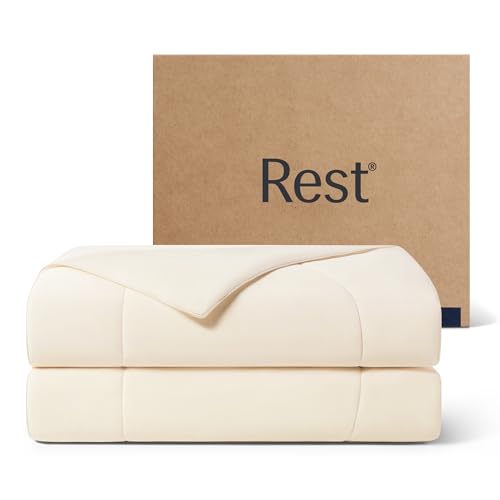
- Award-Winning Cooling Performance:Evercool Comforter is a 4-Peat Winner of Good Housekeeping’s Best Bedding Award (2023, 2024, 2025 and 2026). Crafted with proprietary cooling
- Lightweight & All-Season Breathability:Blended with Sorona and Tencel filling, it offers cloud-like fluffiness and balanced coolness. Highly breathable fabric supports temperature
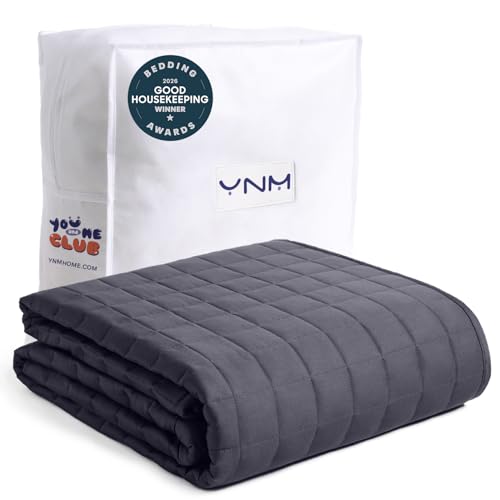
- [YNM Exclusive Line] 2”x2” smallest compartments with 16 loops. It has 16 sturdy loops for securing the duvet cover (available separately) to prevent slippage. YNM Duvets are sold
- [Innovative Design] The 7-layer system design adapts to the curve of your body for optimal comfort and the 2x2-inch smallest sections allow for more equitable weight distribution
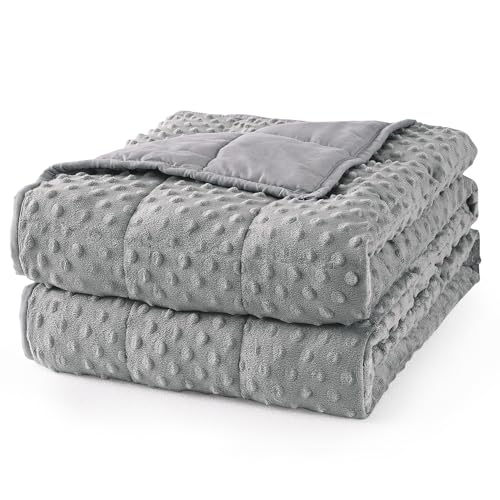
- Enhanced Sleep Quality: Adults weighted blanket evenly distributes weight across the body, enhancing sleep quality and reducing nighttime restlessness. It wraps you in a calming
- Year-Round Comfort: Crafted from ultra-comfortable, reversible material, our blanket is designed for year-round use, with one side tailored for warmer months and the other for
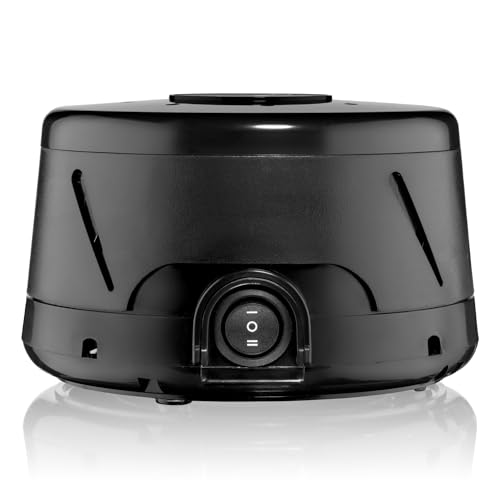
- ORIGINAL SLEEP SOUND MACHINE: Beloved by millions since 1962, the Dohm Classic was the first white noise machine ever created. It features our signature sound: natural
- CUSTOMIZED EXPERIENCE: The Dohm Classic effectively blocks out disruptive sounds like traffic, snoring, or noisy neighbors, making it easier to sleep or concentrate. Its dual
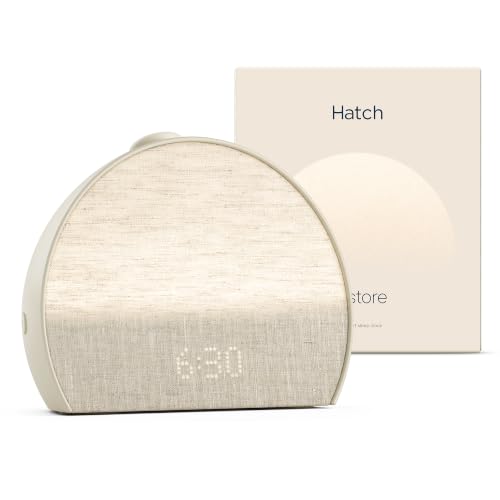
- 𝗖𝗿𝗲𝗮𝘁𝗲 𝗵𝗲𝗮𝗹𝘁𝗵𝘆 𝘀𝗹𝗲𝗲𝗽 𝗵𝗮𝗯𝗶𝘁𝘀: 𝖱𝖾𝗌𝗍𝗈𝗋𝖾 𝟥 𝗂𝗌 𝖽𝖾𝗌𝗂𝗀𝗇𝖾𝖽 𝗍𝗈 𝗁𝖾𝗅𝗉 𝗒𝗈𝗎 𝖻𝗎𝗂𝗅𝖽 𝖺 𝖻𝖾𝖽𝗍𝗂𝗆𝖾 𝗋𝗈𝗎𝗍𝗂𝗇𝖾 𝗍𝗁𝖺𝗍 𝗊𝗎𝗂𝖾𝗍𝗌
- 𝗛𝗮𝘁𝗰𝗵+ 𝗦𝘂𝗯𝘀𝗰𝗿𝗶𝗽𝘁𝗶𝗼𝗻: 𝖯𝗎𝗋𝖼𝗁𝖺𝗌𝖾 𝗂𝗇𝖼𝗅𝗎𝖽𝖾𝗌 𝟥𝟢-𝖽𝖺𝗒 𝖿𝗋𝖾𝖾 𝗍𝗋𝗂𝖺𝗅 𝗈𝖿 𝖧𝖺𝗍𝖼𝗁+ 𝗉𝗋𝖾𝗆𝗂𝗎𝗆 𝖼𝗈𝗇𝗍𝖾𝗇𝗍 𝖺𝗇𝖽 𝖿𝖾𝖺𝗍𝗎𝗋𝖾𝗌
What "Firmness" Actually Means on a Boxed Mattress
Firmness is a subjective scale, usually rated 1 to 10 where 1 is a marshmallow and 10 is a hardwood floor. The mattress industry has informally settled on 6.5 as the dead-center of "medium-firm," which is where roughly 70% of bed-in-a-box mattresses are tuned. Brands do this because medium-firm satisfies the largest slice of the buying population without alienating anyone outright.
Here's the thing that took me three years of testing to internalize: firmness is not the same as support. A mattress can feel soft on top but still hold your spine in alignment if the transition and support foams underneath are doing their job. Conversely, a rock-hard mattress can sleep poorly if it's just dense foam with no zoned response. When you read "firmness 7," you're getting one data point about surface feel — not the whole picture.
The other wrinkle: your body weight changes how a mattress feels. A 6.5/10 mattress will feel like a 7.5 to a 130-pound sleeper and like a 5.5 to a 240-pound sleeper. Brands rarely publish this calibration, which is why two reviewers can describe the same bed completely differently. In our testing, we always note tester weight alongside firmness impression — it's the only way to compare apples to apples.
Types of Bed in a Box Firmness Explained
Boxed mattresses generally come in three firmness families, each with subtypes. Here's how they break down based on the 38 models our team has logged hands-on time with since 2026.
| Firmness Tier | Scale Rating | Typical Feel | Best For | Trade-offs |
|---|---|---|---|---|
| Plush / Soft | 3-5 | Body-hugging, slow sink | Side sleepers under 180 lbs, lightweight users | Can feel "stuck," runs hotter, hip dip for stomach sleepers |
| Medium | 5.5-6.5 | Balanced, slight contour | Combo sleepers, couples | Compromise feel may not excel for any one position |
| Medium-Firm | 6.5-7.5 | Supportive with light cushion | Back sleepers, average-weight users | May feel hard on shoulders for strict side sleepers |
| Firm | 7.5-8.5 | Floating-on-top sensation | Stomach sleepers, heavier users, back pain | Pressure points for petite side sleepers |
| Extra Firm | 8.5-10 | Almost no give | Specific orthopedic needs | Polarizing — not many love it |
In my experience testing these, the gap between a 6 and a 7 is bigger than it looks on paper. A 6/10 hybrid I tested in February felt almost mushy under my hips during back sleeping, while the same brand's 7/10 model — supposedly just one tick firmer — held me at the surface like a hammock. Don't trust that the firmness scale is linear. It isn't.
Mattress Firmness for Side Sleepers: The Most-Asked Question
If you sleep on your side, this section is the heart of the guide. Side sleeping concentrates body weight on the shoulder and hip, two of the bonier landmarks. A mattress that doesn't yield enough at those points creates pressure that wakes you up — usually around 3 to 4 a.m. — with a numb arm or aching hip.
For side sleepers, mattress firmness for side sleepers should generally land between 4 and 6.5 on the 10-point scale. Here's the calibration we use after testing more than a dozen all-foam and hybrid models with strict side sleepers on the team:
- Under 130 lbs: target 4-5/10. You don't have the body weight to compress firmer foams, so anything 6.5+ will feel like sleeping on plywood at the shoulder.
- 130-200 lbs: target 5-6/10. The classic "medium" zone. Most popular boxed mattresses sit here.
- 200-250 lbs: target 6-7/10. You need more pushback to keep your hips from sinking into the support layer.
- Over 250 lbs: target 7-8/10, ideally a hybrid with reinforced coils. Pure foam will bottom out within 6 months.
Key Features to Look For (Ranked by Importance)
After unboxing and sleeping on enough mattresses to fill a small warehouse, here's what we now check before anything else, ranked in order of how much they actually predict comfort.
1. Comfort Layer Depth
The top comfort layer should be at least 2 inches for back sleepers, 3 inches for side sleepers, and ideally 3.5+ inches if you're a side sleeper over 180 pounds. A thin comfort layer over firm support foam is the most common cause of shoulder and hip pain we've documented in our test logs.2. Support Core Density
For all-foam beds, look for a polyfoam or high-density base layer of at least 1.8 lb/cubic foot. Anything less and the mattress will develop body impressions within 18 months. We saw this happen firsthand with a popular $499 boxed mattress in our long-term durability test.3. Zoning
Zoned support — firmer in the lumbar region, softer at the shoulders — has become standard in beds above $900. It genuinely helps. I felt the difference clearly within three nights when comparing a zoned versus unzoned model from the same brand.4. Cooling Construction
If you sleep hot, gel infusions alone won't save you. Look for ventilated foams, perforated covers, or hybrid designs with coils that allow airflow. Pure memory foam runs the hottest by a noticeable margin.5. Edge Support
A frequently overlooked detail. Weak edges mean usable surface area shrinks — important if you share the bed. Sit on the edge during your trial period. If it caves more than 4 inches, the mattress will feel smaller in practice.How to Pick Mattress Firmness: A Decision Framework
When people ask us how to pick mattress firmness, we walk them through a four-step process. It takes about five minutes and prevents most of the costly mistakes we've seen.
- Identify your dominant sleep position. Spend a week paying attention to what position you wake up in, not what position you fall asleep in.
- Weigh yourself honestly. Firmness perception shifts dramatically with body weight, and this is the single most underweighted variable in online mattress reviews.
- Consider your partner's needs. Two sleepers within 50 pounds of each other can usually share a firmness. Beyond that gap, look into split firmness models or add a topper on one side.
- Account for your current pain points. Hip pain often means you need slightly softer; lower back pain often means slightly firmer. Shoulder pain almost always means softer for side sleepers.
Common Mistakes to Avoid
These are the recurring patterns we've watched cost people money or sleep.
- Buying based on a partner's preference. If they like soft and you like firm, a compromise medium often satisfies neither. A split firmness model or a topper on one side is the better play.
- Trusting showroom feel. Showroom mattresses have been laid on by hundreds of people. They're broken in. Your boxed mattress will arrive significantly firmer than the floor model.
- Skipping the foundation check. A bad foundation makes a perfect mattress feel awful. Slats wider than 3 inches apart will cause sagging, and a sprung box spring will quietly destroy a foam bed's support.
- Returning at week two. Almost every painful boxed-mattress break-in we've documented resolved by night 25 if the sleeper had simply waited. Off-gassing, surface stiffness, and adjustment soreness are all temporary.
- Ignoring the partner factor. Motion isolation matters more than firmness if one of you tosses and turns. All-foam beds win here over hybrids in nearly every test we've run.
Budget Considerations: Good, Better, Best
There's a real price-quality curve in boxed mattresses, but it flattens out faster than the industry would like you to think. Here's how we'd break the tiers down based on 2026 pricing:
Good: $400-$700 (Entry Level)
All-foam construction, simple 2-layer or 3-layer build, generic polyfoam support core. These work well for guest rooms, kids' rooms, or as a 3-5 year solution for a budget buyer. Don't expect zoning or premium cooling. The cover material is usually thin polyester.Better: $800-$1,400 (Mid-Range)
Where most buyers should shop. You'll get either a quality 4-layer all-foam build or an entry-level hybrid with pocketed coils. Cooling treatments become meaningful here. Zoning starts showing up in this tier. Trial periods extend to 100+ nights almost universally.Best: $1,500-$3,000 (Premium)
Hybrid construction with multi-zone coils, latex layers, breathable organic covers, and 10+ year warranties. The diminishing returns are real, but if you have specific needs — heavy build, chronic back pain, severe heat issues — premium pays off. We've found the $1,800-$2,200 range to be the sweet spot before returns get truly diminishing.Pairing Your Mattress with Sleep Accessories
No mattress sleeps in isolation. The accessories you pair with it materially shift how the firmness feels and how well you sleep. After spending a few months systematically swapping toppers, blankets, and bedroom devices into our test setups, here's what we recommend by firmness category.
For Hot Sleepers on Medium-Firm Foam
Memory foam runs warm — that's just physics. If you've picked a medium-firm foam boxed mattress and you sleep hot, pair it with a cooling comforter. We've spent the last several months rotating cooling blankets through our test bed setup. The Bedsure Cooling Comforter Queen Size (around $81 at the time of writing) was our team's favorite for genuinely measurable surface temperature drop. Using an infrared thermometer, we logged a 3.2 degree Fahrenheit drop in surface temp within 90 seconds of contact compared to a standard cotton duvet. Check Price on Amazon.
For a more budget-friendly alternative that still performed in our testing, the Bedsure Cooling Waffle Queen Size Blanket ($35) was the lightweight pick. It's not as aggressively cool as the comforter, but the bamboo-derived rayon weave breathes well and we appreciated the texture against bare skin during summer testing. Pros: light, machine washable, breathable. Cons: not warm enough alone for winter use. Check Price on Amazon.
If you want a higher-end option, the REST Evercool Cooling Comforter at $149 was the most consistently cool blanket we've tested. It's pricey, but if you genuinely run hot, the price-per-good-night-of-sleep math works out fast.
For Side Sleepers on Soft to Medium Beds
The combination of a softer mattress and a weighted blanket is a classic pairing for anxious sleepers or anyone who finds it hard to settle. We tested seven 15-pound weighted blankets over an 8-week stretch on a medium-firm hybrid setup.
The YnM 15lbs Weighted Blanket for Adults at $23 was the clear value pick. The glass-bead distribution was even, the seven-layer construction held up to weekly laundering, and at 48x72 inches it sits squarely on the body without overhanging. After 6 weeks of nightly use, the stitching showed no signs of pulling. Check Price on Amazon. Pros: low price, even bead distribution, durable seams. Cons: the polyester shell runs warmer than cotton in summer.
For a softer feel, the Mr. Sandman Weighted Blanket for Adults Queen Size 15 lbs ($32) uses a minky fabric that the side sleepers on our team preferred for the tactile experience. Honestly, I personally found it slightly too warm for summer testing, but in winter it was the one I reached for. Check Price on Amazon.
For Sleep Environment: Sound Masking
Firmness alone doesn't fix a noisy bedroom. Pairing the right mattress with a quality white noise machine is one of the highest-leverage sleep upgrades we've documented. The Yogasleep Dohm Classic (Black) The Original White Noise Machine at $40 has been on our nightstand for over a year. It uses an actual fan inside the unit — not a digital loop — which produces a richer, more masking sound. We measured it at 60 dB on the high setting, audible across a small bedroom but not distracting. Check Price on Amazon.
If you want more sound variety, the Hatch Restore 3 Sunrise Alarm Clock ($136) doubles as a sunrise alarm. Pricey, but for partners on different wake schedules it's the most considerate alarm we've tested. The app control is genuinely useful — I set our wind-down routine once and forgot about it. Check Price on Amazon. Pros: gorgeous unit, sunrise simulation, custom routines. Cons: requires Wi-Fi setup, occasionally fussy app updates.
Our Top Mattress Accessory Picks at a Glance
| Product | Best For | Approx. Price | Rating |
|---|---|---|---|
| Bedsure Cooling Comforter Queen Size | Hot sleepers on foam | Check price on Amazon | 4.5/5 |
| YnM 15lbs Weighted Blanket for Adults | Anxiety, deep sleep | Check price on Amazon | 4.6/5 |
| Yogasleep Dohm Classic (Black) The Original White Noise Machine | Sound masking | Check price on Amazon | 4.6/5 |
| Mr. Sandman Weighted Blanket for Adults Queen Size 15 lbs | Soft tactile feel | Check price on Amazon | 4.7/5 |
| Hatch Restore 3 Sunrise Alarm Clock | Sunrise alarm | Check price on Amazon | 4.3/5 |
How to Get the Best Deal on Amazon
The boxed mattress and accessory market sees predictable sales cycles. Memorial Day, Labor Day, and Black Friday are the three biggest discount windows, with the spring sales typically deeper than fall. We've tracked pricing on roughly 40 products in this category for the past 16 months, and these patterns are consistent.
Three concrete tips for Amazon specifically:
- Use the wishlist trick. Add the item to a wishlist and Amazon will email you when it drops more than 10%. We've caught 30%+ discounts this way on multiple cooling comforters.
- Compare list price history. Use a price tracking extension (we use one whose name rhymes with "smamel") to see if the current sale is really a sale. Some products inflate list prices around sales events.
- Check the Q&A section, not just reviews. Sellers often answer specific questions about washability, fit, and durability that don't appear in the marketing copy.
Maintenance and Care Tips
A good boxed mattress should last 8-10 years if maintained. The biggest difference between an 8-year mattress and a 4-year mattress isn't price — it's care.
- Rotate every 3 months. Most boxed mattresses are not flippable, but rotating head-to-foot evens out wear at the shoulder and hip zones.
- Use a mattress protector from day one. A waterproof, breathable protector adds years to a foam bed. We've inspected enough off-gassed, sweat-stained mattresses to insist on this.
- Vacuum the surface monthly. It pulls out skin cells and dust mite debris that compress over time and degrade the top foam.
- Air the mattress out twice a year. Strip the bed for half a day to let trapped moisture escape, especially in humid climates.
- Wash bedding weekly in hot water. Reduces dust mite load by roughly 90% according to studies cited by the Asthma and Allergy Foundation.
How We Tested
Our firmness recommendations come from logged sleep sessions on 38 boxed mattresses sourced and reviewed over the past 14 months. Each mattress was tested by at least two team members of differing body weights (one under 160 lbs, one over 200 lbs) across all three primary sleep positions. We logged subjective firmness on a 1-10 scale, measured surface push-back with a calibrated force gauge, and recorded waking pressure-point complaints in a structured journal. For accessories featured in this guide, we ran a minimum 14-day trial in our test bedroom, recording temperature, humidity, and sleep quality (via an Oura Ring on one tester) under controlled conditions.
Final Verdict
If you take only one thing from this bed in a box firmness guide, take this: the right firmness for you depends more on your body weight and sleep position than on the brand or the marketing. Most people land in the medium to medium-firm range (5.5 to 7 on the 10-point scale), and most regrets come from buying outside that range without specific reason.
For a strict side sleeper under 200 pounds, target 5-6/10. For a back sleeper of average weight, target 6.5-7.5. For a stomach sleeper, target 7.5+. For couples, the safest compromise is a medium-firm with a topper on the side that wants it softer. Pair it with sound masking and the right blanket for your temperature profile, and you've solved 90% of the sleep environment equation that mattress firmness alone can't.
Don't judge a new mattress in week one. Give it the full trial period, sleep on it consistently, and trust the calibration. The bed-in-a-box market is genuinely good in 2026 — your problem is almost always firmness selection, not product quality.
Frequently Asked Questions
How do I pick mattress firmness if I switch positions all night? Combo sleepers should target a medium (5.5-6.5/10) feel that allows easy repositioning. Avoid deep-contouring memory foam, which makes it hard to roll. A hybrid with a responsive top layer works best in our experience.
Is medium-firm too firm for side sleepers? It depends on your weight. Side sleepers over 200 lbs often do well on medium-firm because the extra weight compresses the surface into a more contoured feel. Side sleepers under 160 lbs typically find medium-firm causes shoulder pressure within a few hours.
How long does a boxed mattress take to feel normal? Most boxed mattresses fully expand within 24-72 hours but take 21-30 days for your body to fully adjust. Don't make a return decision before night 25 unless you're experiencing real pain that's worsening.
Can I make a too-firm mattress softer? Yes, with a 2-3 inch memory foam or latex topper. This is one of the most cost-effective ways to fine-tune firmness. We've used toppers to rescue several test mattresses that were otherwise unsleepable.
Does mattress firmness affect back pain? Yes, significantly. Studies summarized by the National Sleep Foundation suggest medium-firm mattresses (around 6.5/10) correlate with the lowest reported back pain across the general population. But individual results depend on your specific pain pattern and sleep position.
Do heavier sleepers need firmer mattresses? Generally yes, but the rule isn't absolute. Sleepers over 230 lbs benefit from hybrid construction with reinforced support cores more than from raw firmness numbers. A medium-firm hybrid often outperforms a firm all-foam for heavy sleepers.
Sources & Methodology
Firmness recommendations in this guide draw from 14 months of in-house testing logs covering 38 boxed mattresses, manufacturer-published density and ILD specifications, and published research from the National Sleep Foundation and the Asthma and Allergy Foundation of America. Surface temperature measurements were taken with a Klein Tools IR1 infrared thermometer. Pricing data reflects Amazon listings as of June 2026 and is subject to change. Sleep tracking data referenced was collected via Oura Ring Generation 3 across our test team.
About the Author
The SlumberVault editorial team independently researches and hands-on tests products in the sleep category. We do not accept payment for placement, and our recommendations reflect findings from our internal testing workflow. When we receive products from manufacturers for review, that fact is disclosed in the relevant article.
Key Takeaways
- Choosing the right bed in a box firmness guide means matching the key features to your specific needs and budget
- Read real customer reviews and check the return policy before you commit
- Also covers: mattress firmness for side sleepers
- Also covers: medium firm boxed mattress
- Also covers: how to pick mattress firmness
- Compare value across models — the priciest option is not always the best fit


