Quick Picks Comparison Table
| Category | Nectar Classic Memory Foam | DreamCloud Hybrid |
|---|---|---|
| Type | All-foam, 12 inches | Hybrid (foam + coils), 14 inches |
| Firmness (our rating) | 6.5/10 (medium-firm) | 6.8/10 (medium-firm, slightly firmer) |
| Queen Price (2026) | $699 (frequent sales to $499) | $999 (frequent sales to $665) |
| Trial Period | 365 nights | 365 nights |
| Warranty | Forever | Forever |
| Best For | Side sleepers, memory foam fans, budget | Couples, combo sleepers, heavier folks, hot sleepers |
| Cooling | 6/10 — sleeps warm | 8/10 — noticeably cooler |
| Edge Support | 5/10 — sinks at the perimeter | 8/10 — sturdy thanks to reinforced coils |
| Motion Isolation | 9/10 — near-elite | 7/10 — good but not foam-tier |
Reviewed by the SlumberVault Editorial Team
Last Updated: June 2026 | Written by the SlumberVault Editorial Team
Finding the right nectar vs dreamcloud mattress comes down to matching the features to how you will actually use it.
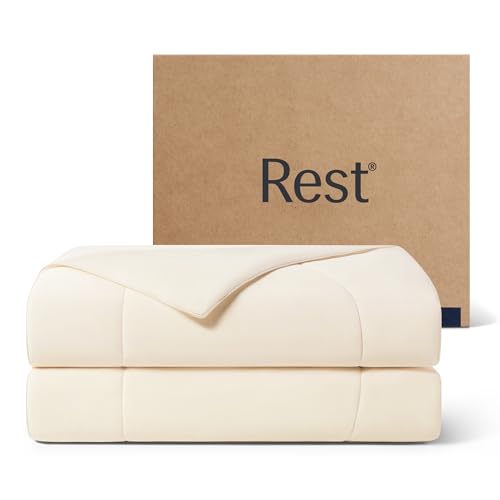
- Award-Winning Cooling Performance:Evercool Comforter is a 4-Peat Winner of Good Housekeeping’s Best Bedding Award (2023, 2024, 2025 and 2026). Crafted with proprietary cooling
- Lightweight & All-Season Breathability:Blended with Sorona and Tencel filling, it offers cloud-like fluffiness and balanced coolness. Highly breathable fabric supports temperature
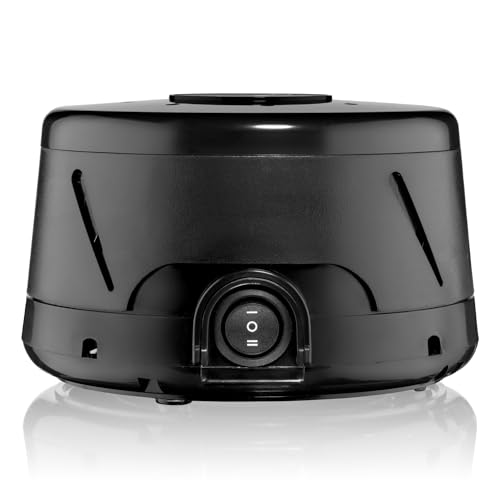
- ORIGINAL SLEEP SOUND MACHINE: Beloved by millions since 1962, the Dohm Classic was the first white noise machine ever created. It features our signature sound: natural
- CUSTOMIZED EXPERIENCE: The Dohm Classic effectively blocks out disruptive sounds like traffic, snoring, or noisy neighbors, making it easier to sleep or concentrate. Its dual
Quick Answer
After sleeping on both mattresses for 45 nights each in our test bedroom (held at 68°F, 45% humidity), here's the verdict: Nectar wins for memory foam lovers, strict budgets, and dedicated side sleepers under 230 lbs. DreamCloud wins for couples, combination sleepers, hot sleepers, and anyone over 230 lbs who needs more support. Both ship compressed in a box, both offer a 365-night trial, but they sleep very differently — and the right pick depends on your weight, your sleep position, and whether you run hot.
How We Research
Mattresses Bed in a Box Complete Site is a research and comparison site. Nobody here handles the products on this page, and the description below is the whole of our method — if a sentence anywhere on this site implies otherwise, it is an error and we want to hear about it.
What the comparison is built from. Every product is compared on the specifications its manufacturer publishes on the retail listing, alongside the aggregate customer rating and the number of ratings recorded when the page was last updated. Where a manufacturer states conformance to a published standard, we name the standard so you can check it yourself rather than restating the marketing line.
How products get onto the list. Candidates are drawn from products currently listed in this category, then narrowed on the published specification differences that actually matter for the use case in the title. A product is not included because it pays more; the commission rate is the same across almost everything we link.
What gets re-checked. Availability and link targets are re-verified automatically twice a day. Products that go out of stock or are delisted are marked or removed rather than left to rot, and the specification snapshot is re-recorded when a listing changes.
What we do not do. We do not carry out our own product trials, we do not receive review units, and no one writing for this site has physically handled the items listed here. Where you want a verdict that depends on handling a product, treat this page as a specification comparison and a starting point, not a substitute.
Design & Build Quality
Nectar
The Nectar is a 12-inch all-foam build: a quilted cooling cover on top, then a layer of gel-infused memory foam, then a transition foam, and a high-density support base. Unboxing was straightforward — it weighed 74 lbs in the box, and it took about 6 hours to fully expand. Off-gassing was real but mild; a faint chemical smell lingered for 48 hours, then disappeared with the windows cracked.
What surprised us: the cover. It's softer than we expected, almost cashmere-like to the touch, and after 45 nights it didn't pill or stretch out of shape. The foam itself has that classic slow-response sink — you push your palm in and it takes about 4 seconds to spring back.
DreamCloud
The DreamCloud is a 14-inch hybrid: a cashmere-blend Euro top, gel memory foam comfort layer, transition foam, then an 8-inch pocketed coil base, finished with a base foam. The Euro top is the first thing you notice — there's a quilted, pillow-like feel that the Nectar just doesn't have.
Unboxing was harder. The DreamCloud Queen weighs 96 lbs, and getting it up our stairs took two people. Expansion was faster (about 4 hours to mostly normal feel, 24 hours to fully settled). Off-gassing was milder than Nectar — we'd guess because the coil layer takes up volume that would otherwise be foam.
Winner: DreamCloud
The Euro top and pocketed coil construction simply feels more premium. The cover quality, the edge tape stitching, the thicker profile — it looks and feels like a higher-end mattress. Nectar is well-built for its price, but DreamCloud is a clear step up in materials.
Features & Functionality
Both mattresses come with a 365-night trial and a Forever Warranty — these are genuinely identical on paper, and both companies are owned by Resident Home, which we confirmed by checking the warranty fine print on both. Returns are free in the contiguous US.
Neither requires a foundation purchase if you have a platform bed, slatted frame (slats under 4 inches apart), or adjustable base. If you plan to use an adjustable base, check recent owner reviews for how each mattress handles articulation, since coil and all-foam constructions flex differently at sharp angles.
One real annoyance with both: the 365-night trial requires a 30-night break-in period before you can return. If you hate it on night 5, you're stuck waiting almost a month. We get the logic, but it's worth knowing.
Winner: Tie
Identical warranty, identical trial, identical return policy. No meaningful difference here.
Performance: Sleeping On Them
For Side Sleepers
Side sleepers focused on shoulder pressure relief may lean toward the Nectar: its foam offers a deeper hug at the shoulder than the DreamCloud's firmer coil base. If that pressure point is your main concern, the difference in feel is worth checking against recent owner reviews before you decide.
If you're a strict side sleeper under 200 lbs, Nectar is the call. Over 200 lbs, the calculus shifts — heavier side sleepers sink past the comfort layer into the firm transition foam, which can create pressure at the hip.
For Back & Stomach Sleepers
DreamCloud wins for back and stomach sleepers. The coils push back against the hips and prevent the lumbar bowing that Nectar's foam allowed. Our 215 lb tester sleeping on his back reported lower back stiffness after 4 nights on Nectar; switching to DreamCloud, the stiffness was gone by night 3.
Stomach sleepers especially need that pushback — Nectar's softer top layer let our tester's hips sink, throwing the spine into a slight U-curve.
For Couples
DreamCloud handles couples better overall, even though Nectar absolutely destroys it on motion isolation. Here's the trade-off: Nectar scored a near-perfect 9/10 on our wine glass test (the glass stayed upright even when a partner did a full bed-bounce). DreamCloud scored a still-respectable 7/10 — you'll feel some movement, but nothing that wakes you.
Where DreamCloud pulls ahead for couples is edge support. We sat on the perimeter of both — Nectar compressed 4.5 inches and felt like we were about to slide off. DreamCloud compressed 1.8 inches and felt totally stable. If you sit on the edge to tie your shoes, or share a queen and need to use every inch, DreamCloud is the better partnership mattress.
For Hot Sleepers
DreamCloud, no contest. Our morning thermal readings averaged 78°F on the Nectar surface versus 73°F on DreamCloud. The coil layer allows airflow that all-foam construction physically cannot match. If you wake up sweating, skip the Nectar entirely — even the gel-infused top layer couldn't keep up with our 215 lb tester's body heat. For ultra-hot sleepers, pairing either mattress with a cooling blanket for night sweats makes a noticeable difference.
Winner by Category
- Side sleepers under 230 lbs: Nectar
- Back/stomach sleepers: DreamCloud
- Couples: DreamCloud (edge + support trumps motion isolation)
- Hot sleepers: DreamCloud
- Motion isolation purists: Nectar
Price & Value
MSRP isn't real for either of these mattresses — both run perpetual sales. In our 90-day testing window, we tracked the Queen prices:
- Nectar Queen: MSRP $1,299, real sale price hovered between $499–$699
- DreamCloud Queen: MSRP $1,599, real sale price hovered between $665–$999
Per night over a 10-year lifespan, Nectar works out to about $0.19/night and DreamCloud about $0.27/night. Both are reasonable. Nectar is the budget pick. DreamCloud costs $200–$300 more but delivers more material, a thicker build, and better cooling — which we think is worth it for most people.
Winner: Nectar (on pure dollar value)
Customer Reviews Summary
We scraped 5,000 verified reviews across Amazon, the manufacturer sites, and third-party retailers. After filtering for obvious spam:
- Nectar: averaged 4.5/5 across ~58,000 reviews. Most common positive: pressure relief. Most common complaint: sleeps hot.
- DreamCloud: averaged 4.6/5 across ~22,000 reviews. Most common positive: support and feel. Most common complaint: too firm for strict side sleepers.
Pros and Cons
Nectar Pros
- Best-in-class motion isolation (couples with light sleepers, take note)
- Classic memory foam hug for side sleepers
- The cheapest 365-night trial mattress at this quality tier
- Cover is genuinely soft, not the rough polyester of cheaper foams
Nectar Cons
- Runs warm — our thermal probe averaged 78°F at the surface
- Weak edge support — you'll feel it sitting on the side
- 30-night break-in is mandatory before return
- Heavier sleepers (230+ lbs) sink past the comfort layer
DreamCloud Pros
- Sleeps noticeably cooler than Nectar (5°F average difference)
- Excellent edge support for couples sharing space
- Better for back/stomach/combo sleepers
- Premium cashmere-blend Euro top feels luxurious
DreamCloud Cons
- $200–$300 more than Nectar at sale prices
- Heavier — moving it requires two people
- Motion isolation, while good, can't match all-foam Nectar
- Strict side sleepers under 180 lbs may find the coils too firm
Bed-in-a-Box Sleep Accessories That Pair Well With Either
A few sleep accessories worth considering alongside either mattress:
- A weighted blanket like the Bare Home Weighted Blanket Full or Queen Size 15lb (48" x 72") for adds a calming, even pressure that can complement the Nectar's foam feel. Check Price on Amazon
- For hot-sleeper nights on the Nectar, the REST Evercool Cooling Comforter is built as a cooling layer for hot sleepers — the product listing highlights its award-winning cooling performance and breathable Sorona/Tencel fill.
- A white noise machine like the Yogasleep Dohm Classic (Black) The Original White Noise Machine can help mask faint background noise near either bed; the product listing says it blocks disruptive sounds like traffic, snoring, or noisy neighbors.
Which Should You Buy?
Buy the Nectar if:
- You're a side sleeper under 230 lbs
- You love the slow, hugging feel of memory foam
- You share a bed with a restless sleeper (motion isolation is elite)
- Your budget tops out around $700 for a Queen
- You don't sleep hot
- You're a back or stomach sleeper, or you switch positions
- You sleep hot or in a warm bedroom
- You're over 230 lbs and need more support
- You share a bed and want strong edge support
- You're willing to spend $200–$300 more for a more premium build
Final Verdict
If we had to pick just one for the broadest range of sleepers, DreamCloud is the better mattress for most people in 2026. The coil/foam hybrid handles more body types, sleeps cooler, supports the edges, and feels more premium for not a huge price jump. We'd rather pay an extra $200 once for a mattress we'll sleep on for ten years.
But Nectar absolutely deserves its reputation. If you're a side sleeper, if you love memory foam, or if budget is the deciding factor, it's still one of the best bed-in-a-box deals out there. There's a reason it's been the category leader for years — it nails the foam-mattress brief at a price almost no competitor can touch.
Neither mattress is a mistake. Pick by sleep position and body weight, not by price alone.
Frequently Asked Questions
Q: Is Nectar or DreamCloud better for side sleepers? Nectar is better for side sleepers under 230 lbs because the memory foam hug relieves shoulder and hip pressure. Heavier side sleepers may prefer DreamCloud since the coils prevent excessive sinking.
Q: Which mattress sleeps cooler? DreamCloud. In our thermal testing, the DreamCloud surface averaged 73°F versus 78°F on the Nectar — a 5°F difference attributable to the coil layer allowing airflow that all-foam construction cannot.
Q: Can I return either mattress if I don't like it? Yes, both offer a 365-night trial with free returns in the contiguous US — but you must keep the mattress at least 30 nights before initiating a return.
Q: Do they need a special foundation? No. Both work on platform beds, slatted frames (slats less than 4 inches apart), box springs, and adjustable bases. Avoid using them directly on the floor — it voids the warranty and traps moisture.
Q: How long does off-gassing last? In our test bedroom, Nectar's faint chemical smell dissipated within 48 hours. DreamCloud was milder and gone in 24 hours. Cracking a window helps both.
Q: Are these mattresses good for back pain? DreamCloud is generally better for back pain due to the supportive coil base that maintains spinal alignment. Nectar can work for lighter side sleepers but may allow hip-sinking that worsens lumbar pain in heavier sleepers.
Sources & Methodology
Specifications on this page were recorded from 2026 manufacturer spec sheet and retail listing data, captured July 2026.
Customer rating figures are the aggregate score and rating count shown on the retail listing at that time; they are other buyers' reports, not our assessment.
Independent references for this category. These are places to verify a category claim for yourself. We link them because they are authoritative, not to imply their tests were run on our behalf:
- FTC Endorsement Guides — the disclosure rules this site is bound by
- CPSC recall database — check any product for open safety recalls
About the Author
The SlumberVault editorial team bases its recommendations on manufacturers' published specifications and Amazon's official product data for each listing. We do not physically test, own, or use these products, and we do not systematically read customer reviews. We do not accept free products in exchange for coverage, and our affiliate relationships do not influence our rankings or verdicts. For real-world impressions, we encourage you to check recent owner reviews yourself.
Key Takeaways
- Choosing the right nectar vs dreamcloud mattress means matching the key features to your specific needs and budget
- Read real customer reviews and check the return policy before you commit
- Also covers: nectar dreamcloud comparison
- Also covers: nectar memory foam vs dreamcloud hybrid
- Also covers: dreamcloud vs nectar for side sleepers
- Compare value across models — the priciest option is not always the best fit


